Survival Strategies for Your First Year in a Nail Salon
A nail salon startup requires meticulous financial planning and strict cost management to survive its first twelve months. Success depends on achieving a break-even point by balancing initial equipment costs, rent, and inventory against service revenue. Avoiding common early-stage mistakes like overstaffing is essential for maintaining positive cash flow during the first year.
Managing Initial Nail Salon Startup Costs
The first year of operation is the most financially vulnerable period for any new nail business owner.
Initial capital often disappears quickly into leasehold improvements, specialized ventilation systems, and high-quality manicure tables.
Strictly tracking every dollar spent on monomer, polymer, and gel polishes prevents early budget depletion.
Many owners fail by over-purchasing decorative inventory rather than focusing on core service essentials.
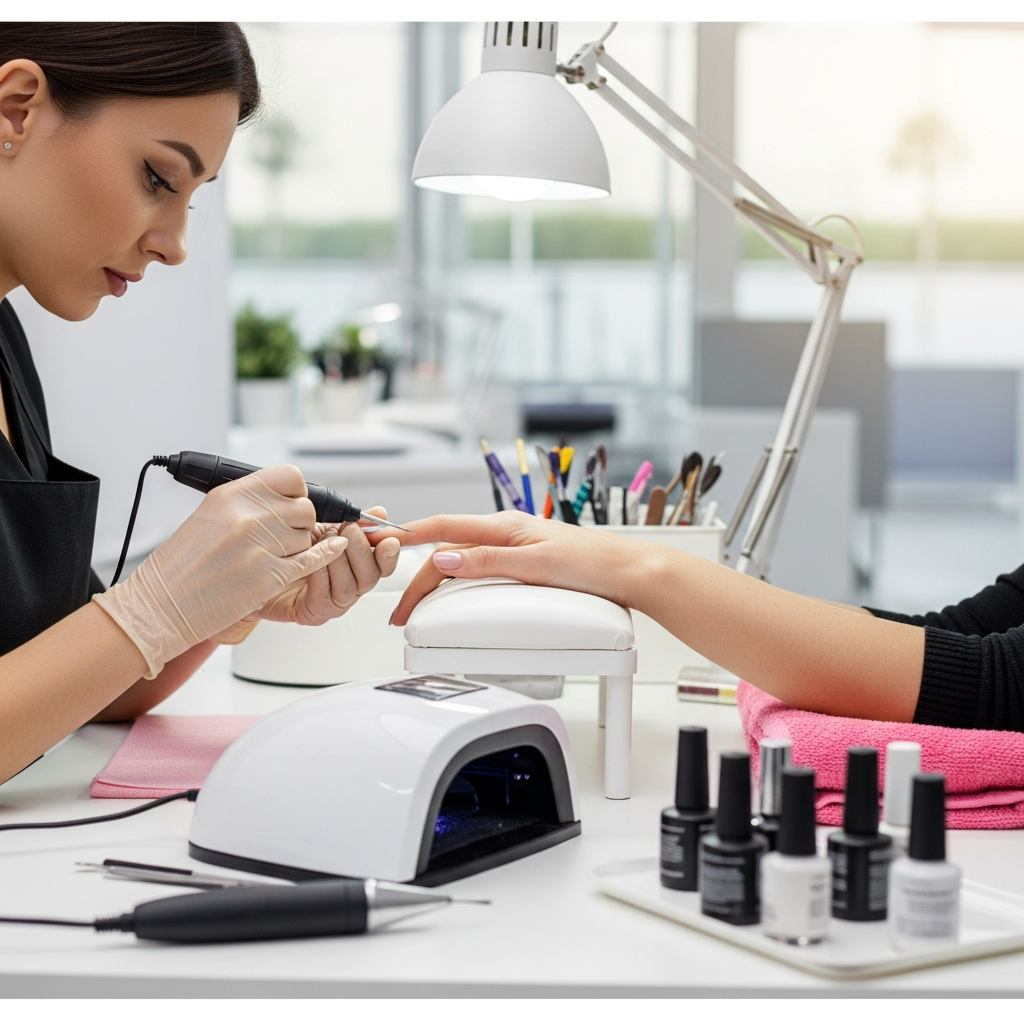
Prioritize professional-grade e-files and LED lamps that offer longevity rather than buying excessive color collections.
Keeping a lean inventory ensures that your capital remains liquid for unexpected repairs or utility increases.
Navigating U.S. Licensing and Legal Requirements
Compliance with state board regulations is non-negotiable for a nail salon to remain open.
Every technician must hold a valid license, and the facility must meet specific sanitation and safety standards.
Failing a surprise inspection can lead to heavy fines that a new business cannot afford.
Ensure your salon layout complies with the Americans with Disabilities Act and local building codes.
In the United States, proper ventilation is a primary focus for inspectors to ensure air quality.
Documenting all sanitation protocols for foot tubs and metal implements protects the business from liability.
Establishing a Realistic Break-Even Point
Calculate exactly how many manicures and pedicures are required daily to cover your fixed overhead.
Fixed costs include your commercial rent, insurance, and base utility bills for the nail shop.
Knowing this number helps you adjust your service menu pricing to ensure a healthy profit margin.
Controlling Professional Supply Waste
Product waste is a silent killer of profitability in a new nail salon environment.
Technicians must be trained on the exact ratios for acrylic application to avoid wasting expensive chemicals.
Implementing a dispensing system for acetone and alcohol can significantly reduce monthly supply overhead.
- Monitor liquid usage: Measure monomer consumption against the number of full sets performed.
- Limit freebies: Ensure add-on services like nail art or soak-offs are charged appropriately.
- Bulk purchasing: Buy high-use items like files and buffers in bulk to lower the cost per service.
Avoiding Common First-Year Business Mistakes
One of the biggest mistakes is hiring too many technicians before the client demand exists.
Start with a small, highly skilled team and add chairs only as your appointment book reaches capacity.
This approach keeps your payroll manageable while you focus on building a loyal local following.
Marketing should focus on local foot traffic and word-of-mouth rather than expensive broad advertising.
Encourage every client to pre-book their next fill or gel polish change before they leave.
Consistent retention is the most effective way to stabilize your revenue during the first year of growth.
