Nail Salon Startup: A Survival Guide for the First Year
Opening a nail salon requires a combination of state-compliant licensing, strategic location selection, and disciplined financial management to navigate the high-overhead startup phase. New owners must prioritize health department regulations, proper ventilation systems, and essential inventory procurement to ensure long-term operational stability within the competitive professional nail industry landscape.
Estimating Your Initial Nail Salon Investment
Launching a new facility involves significant upfront costs that can impact your first-year survival. You must budget for the commercial lease deposit, specialized plumbing for pedicure stations, and professional ventilation systems to meet safety codes.
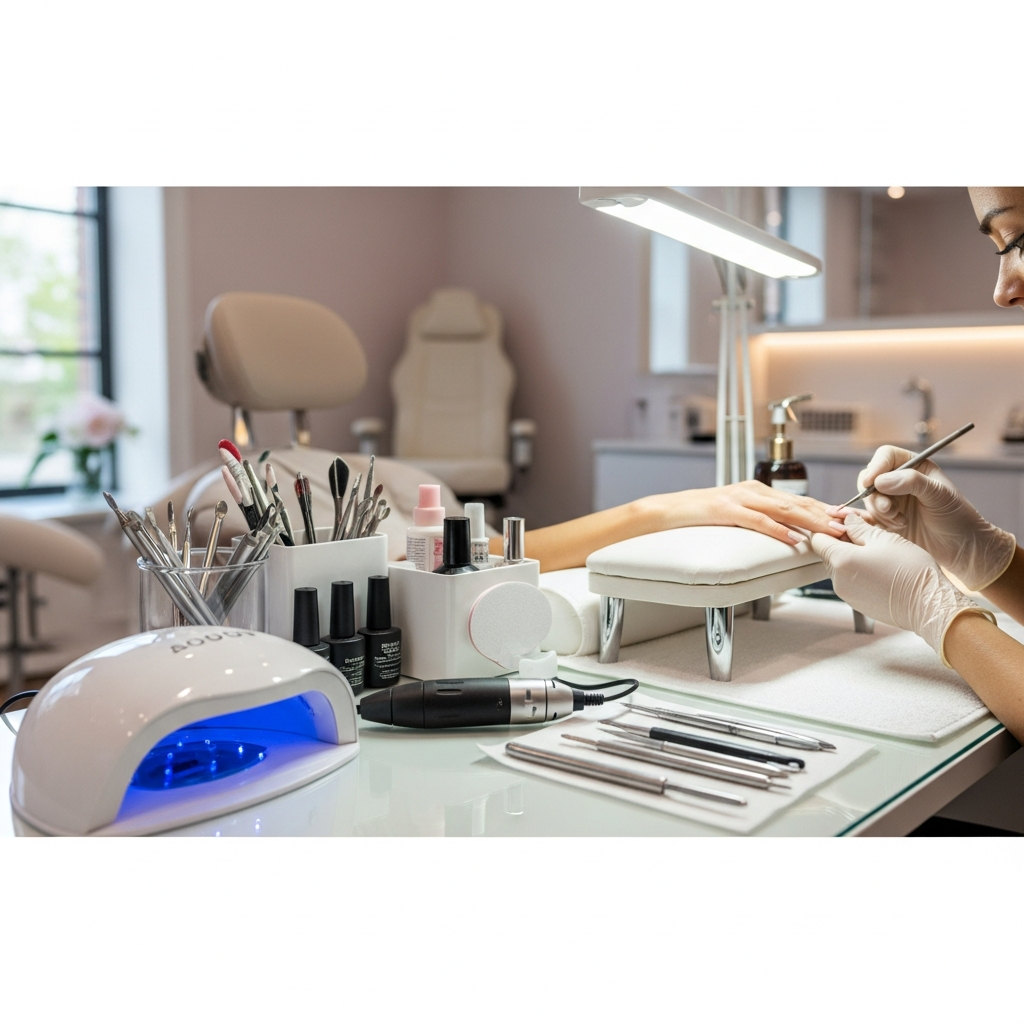
Quality nail furniture, including ergonomic technician chairs and manicure tables, represents a major portion of your capital. Avoid overspending on decor before securing high-quality professional tools that directly impact service speed and safety.
Rent and Interior Construction
- Secure a location with high foot traffic and accessible parking for clients.
- Ensure the electrical system can handle multiple high-wattage nail lamps.
- Install OSHA-compliant ventilation to manage chemical vapors and dust.
Essential Licensing and Regulatory Compliance
Before performing the first service, you must obtain a salon license from your state board of cosmetology. This process involves a formal inspection to verify that your nail station setups meet strict sanitation requirements.
Every technician must hold an active individual license to perform nail services legally. Failure to display these documents or maintain a clean environment can lead to heavy fines that threaten a new business’s financial health.
Understanding Local Health Codes
- Maintain an updated Safety Data Sheet (SDS) binder for all chemicals.
- Implement a documented cleaning log for all pedicure basins and tools.
- Acquire professional liability insurance specifically for nail services.
Controlling Costs in the First Year
The first year is the most volatile period for any new nail business. Strict cost control is necessary to reach the break-even point while building a recurring client base.
Monitor your professional product usage carefully to prevent waste of monomers, gels, and polymers. Implementing a precise inventory tracking system helps avoid tying up vital cash flow in excess stock.
Inventory Management Strategies
Order professional supplies in bulk only for high-turnover items like files and buffers. For specialty nail lacquers or seasonal gel colors, keep stock levels low until demand is proven.
Negotiate with nail industry distributors for introductory pricing or professional discounts. Every dollar saved on backbar supplies increases your profit margin per service during these early months.
Building a Sustainable Client Base
Survival depends on converting first-time walk-ins into loyal, repeat clients. Focus on providing consistent service quality and maintaining a professional environment that encourages rebooking.
Set a competitive service menu that reflects your actual costs, including labor, products, and overhead. Avoid deep discounting in the first year, as it can devalue your expertise and hinder long-term profitability.
