
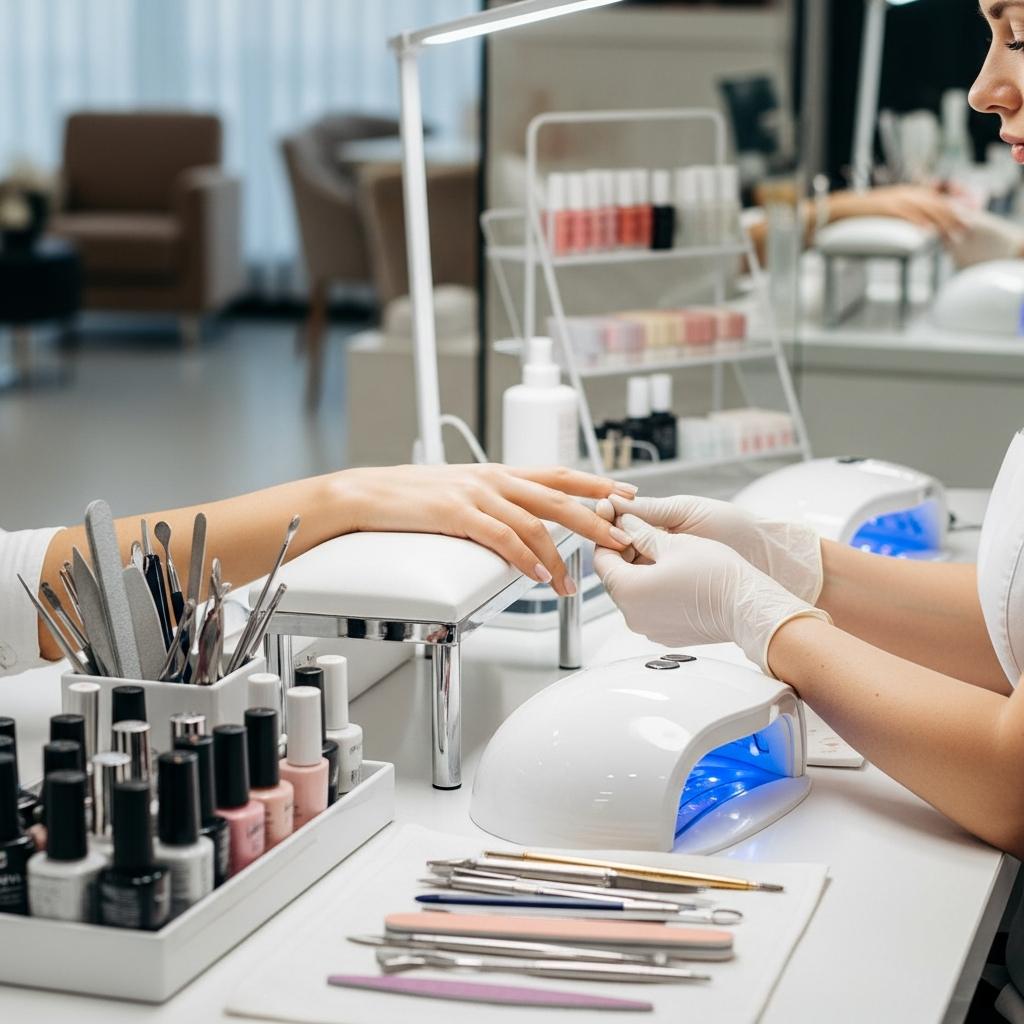
Starting a Nail Salon: A First-Year Survival Guide
A nail salon is a professional business focused on providing specialized hand and foot care services within the beauty industry. Starting a nail business requires securing state permits, managing initial supply costs, and maintaining strict sanitation standards to ensure financial survival during the first year of operation.
Legal Setup and Regulatory Requirements
Securing your nail salon license is the first step toward a legitimate operation. You must register your business entity and obtain a salon facility permit from your state board.
Every nail technician you hire must hold a valid, active license to perform services. In the U.S., displaying these licenses publicly is a mandatory requirement for compliance.
- Building Permits: Ensure your nail station ventilation meets local building codes for chemical safety.
- Insurance Policies: Obtain professional liability insurance to protect your nail business from potential client claims.
- Health Inspections: Maintain a rigorous sanitation log to pass surprise inspections by the state board.
Financial Survival and Cost Management
The primary goal during your first year is reaching the financial break-even point. This requires a deep understanding of your nail salon overhead and variable costs.
Avoid over-purchasing inventory during your first few months. Stick to a core set of nail polish colors and essential prep chemicals to keep your cash flow liquid.
Calculating Cost Per Service
Determine exactly how much product is used during a standard nail service. Include the cost of nail files, buffers, acetone, and professional monomers in your math.
Pricing your nail services too low is a common mistake for beginners. Ensure your rates cover your rent, utilities, and product costs while providing a profit.
Operational Basics for New Owners
Establishing a workflow for your nail technicians ensures a consistent experience for every client. Standardize the steps for a basic manicure and gel application.
Keep your nail salon environment organized and professional. A cluttered workspace can lead to wasted product and slow service times, which hurts your bottom line.
- Daily Accounting: Track your daily nail service revenue and retail sales to monitor business growth.
- Supply Inventory: Conduct weekly audits of your nail tips, glues, and acrylic powders to prevent shortages.
- Client Rebooking: Focus on retaining every new nail client by scheduling their next fill or maintenance appointment before they leave.
Avoiding Common Startup Pitfalls
Many new nail salon owners fail because they invest too much in expensive decor. Prioritize your budget for high-quality nail lamps and ergonomic technician chairs.
Do not expand your nail service menu too quickly. Master basic enhancements and natural nail care before adding more complex or time-consuming techniques.
Manage your time effectively by setting strict schedules for nail appointments. Efficient time management allows for more daily clients without sacrificing service quality.
