Standardizing Nail Salon Workflows for Service Consistency
Nail salon service consistency is maintained through the implementation of standard operating procedures (SOPs) that define specific steps for every nail service. These protocols ensure that every technician follows the same sanitation, application, and timing standards, resulting in predictable outcomes, controlled material costs, and uniform client experiences across all shifts.
Defining the Core Nail Service Protocol
Standard operating procedures are the foundation of a professional nail salon operation. They eliminate guesswork for technicians and set clear expectations for every client visit.
Every nail service, from a basic manicure to a complex acrylic full set, must follow a documented sequence of steps. This ensures that technical quality remains high regardless of which technician is assigned to the station.
Establishing these standards prevents variations in service duration. When every nail technician follows the same workflow, the salon can maintain a precise appointment schedule without unexpected delays.
Sanitation and Station Setup Standards
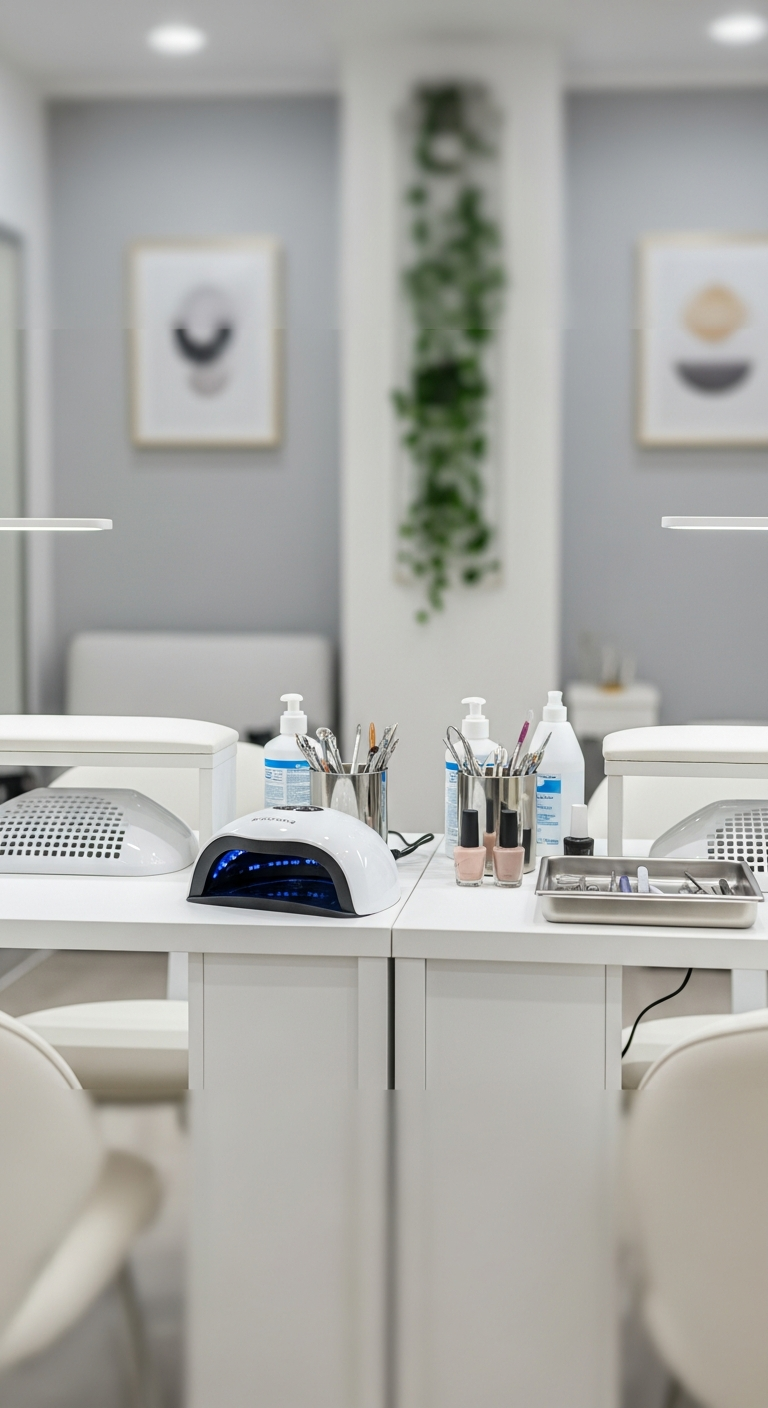
Operational excellence begins with a standardized station setup. Every nail technician must arrange their implements, towels, and chemical solutions in a uniform manner before the client arrives.
Sanitation protocols must be non-negotiable and strictly timed. This includes the disinfection of nail files, buffers, and metal implements according to state board regulations after every service.
A clean workspace reflects the professional standards of the nail salon. Standardizing the cleanup process between appointments ensures that the facility remains hygienic and organized during peak hours.
Technical Execution and Service Timing
Consistency in nail application requires a specific order of operations. For example, the prep stage—including cuticle work and nail plate dehydration—must be identical for every service type.
Setting time benchmarks for each phase of the nail service is critical for revenue management. Technicians should know exactly how many minutes are allocated for prep, application, and finishing.
Standardizing these phases helps identify where a nail technician may need additional training. If a specific step consistently takes too long, it impacts the entire daily workflow and salon profitability.
Managing Material Usage and Cost Control
Operational management includes controlling the amount of product used during each nail service. Overusing monomer, gel, or professional lacquers leads to significant financial leaks over time.
Managers should establish clear guidelines for product dispensing. Defining the exact amount of nail product needed for different service tiers helps in maintaining accurate inventory levels.
Regular audits of material consumption against the number of services performed can reveal waste. Controlling these costs is essential for maintaining healthy profit margins in a competitive nail market.
Staff Performance and Technical Accountability
Implementing SOPs allows nail salon owners to measure staff performance objectively. When standards are clearly defined, it is easier to provide constructive feedback during performance reviews.
Technicians should be regularly evaluated on their ability to adhere to the established nail protocols. This ensures that the salon brand remains synonymous with quality and reliability.
- Daily Checklists: Use opening and closing lists to maintain facility standards.
- Service Audits: Periodically review nail sets to ensure technical compliance.
- Supply Tracking: Monitor the usage of high-cost nail chemicals and disposables.
Consistent operations lead to higher client retention rates. When a client knows they will receive the same high-quality nail service every time, they are more likely to become a loyal repeat customer.
