Managing Nail Salon Operations for Service Consistency
Nail salon operations encompass the management of technical standards and daily workflows to ensure every client receives a high-quality nail service. Professional management focuses on standardized protocols for nail preparation, application, and sanitation to maintain consistency across technicians while controlling labor costs and maximizing station productivity in a specialized professional environment.
Developing Standard Operating Procedures for Nail Technicians
Standard operating procedures are the foundation of a successful professional nail business.
These documents outline every step of the service, from the initial client greeting to the final checkout.
SOPs ensure that every client receives the same high-quality nail treatment regardless of the technician.
Standardizing the Nail Consultation Process
The consultation is the first critical step in professional nail care operations.
Technicians must assess nail plate health and discuss specific lifestyle requirements with the client.
This process prevents service failures and manages client expectations for long-term nail health.
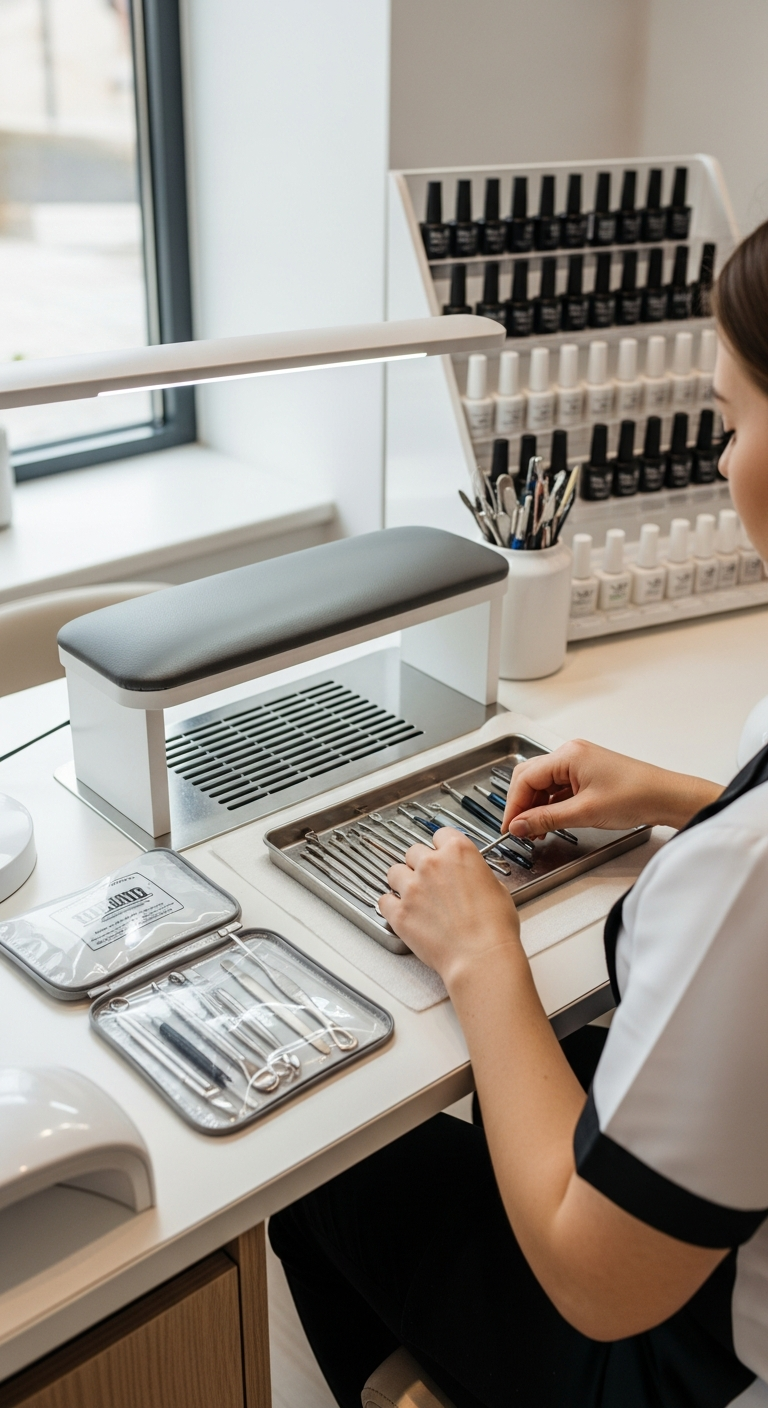
Uniform Technical Execution and Sanitation
Technical uniformity requires specific steps for every nail enhancement or manicure service.
Managers should define exact curing times, product ratios, and filing techniques for the staff.
Consistent execution reduces the risk of lifting, chipping, and general client dissatisfaction.
Optimizing Staff Scheduling and Labor Management
Labor is the highest operational cost for most U.S. based nail salons.
Scheduling must account for peak hours while minimizing idle time for professional technicians.
Strategic staffing ensures maximum revenue during high-demand weekend shifts and holiday periods.
Aligning Shifts with Peak Nail Service Demand
Analyze historical booking data to identify when the nail salon reaches maximum capacity.
Adjust shift start times to ensure enough technicians are available for the afternoon rush.
Proper scheduling prevents staff burnout while maintaining a steady flow of nail appointments.
Monitoring Technician Performance and Productivity
Tracking technician performance helps identify specific training needs and productivity gaps.
Analyze the time taken for a full set of enhancements versus a standard gel manicure.
Efficient workflows allow for more appointments without compromising the quality of the nail work.
Financial Tracking and Cost Control in Nail Salons
Accurate tracking of backbar supplies prevents unnecessary profit loss in daily operations.
Nail salons must monitor the usage of monomers, polymers, and professional gel polishes.
Standardizing the amount of product used per service helps stabilize operational profit margins.
Monitoring Backbar Consumption and Supply Costs
Inventory management is essential for controlling the cost of specialized nail chemicals and tools.
Implement a checkout system for high-cost items like professional nail files and bits.
Reducing waste in product application directly increases the net revenue of the nail salon.
-
Operational Success Checklist:
- Documented nail service protocols for all staff
- Weekly inventory audits of professional nail products
- Performance-based scheduling for nail technicians
- Consistent sanitation logs for all nail stations
