Financial Survival Strategies for New Nail Salon Owners
Opening a nail salon requires meticulous budget planning for rent, licensing, equipment, and inventory. Most new owners need approximately $40,000 to $60,000 in startup capital to cover initial expenses and operational costs during the first six months. Success depends on maintaining strict cost controls while building a consistent client base.
Estimating Your Initial Nail Salon Startup Costs
The first step in survival is understanding the financial requirements of a professional nail environment. You must account for leasehold improvements, which involve plumbing for pedicure chairs and specialized ventilation systems.
Professional Equipment and Station Setup
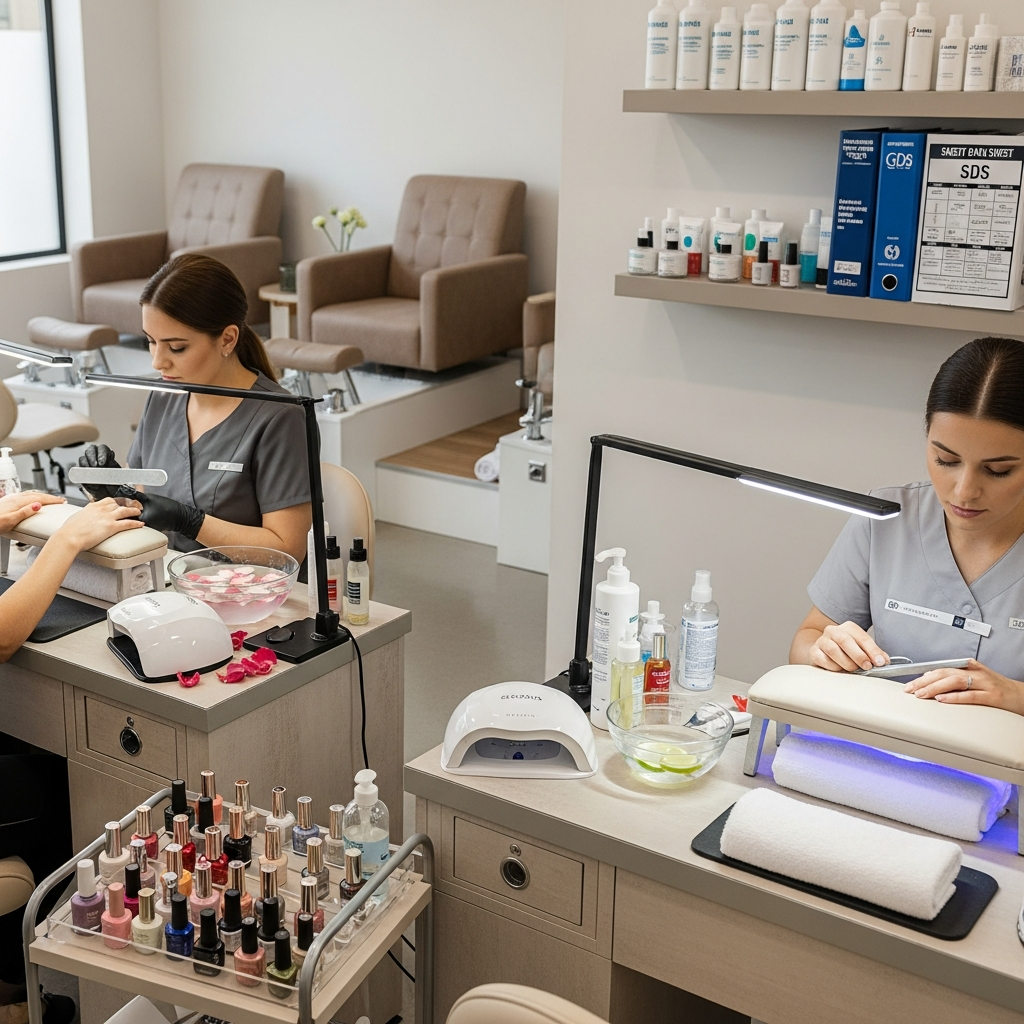
High-quality nail tables and ergonomic seating are essential for technician health and service quality. Invest in professional-grade LED lamps and electric files that meet U.S. safety standards to avoid frequent replacement costs.
Pedicure thrones require dedicated plumbing and drainage systems that comply with local building codes. Budgeting for these installations early prevents unexpected construction delays that can drain your reserve funds.
Initial Inventory and Chemical Supplies
Stocking a new salon requires a diverse range of professional monomers, polymers, and gel systems. You should focus on a core set of popular colors to minimize stagnant inventory during your first six months.
Ensure all chemical products have accessible Safety Data Sheets (SDS) to comply with OSHA regulations. Professional sanitation supplies, including EPA-registered disinfectants and autoclaves, are non-negotiable costs for legal operation.
Navigating Legal Requirements and Permits
Every U.S. state has specific Board of Cosmetology requirements for nail establishments. You must secure a salon license, a business operation permit, and ensure all technicians hold active individual licenses.
Failure to follow state-specific sanitation protocols can lead to heavy fines or immediate closure. Establishing a daily cleaning log helps maintain standards and protects your business during unannounced inspections.
First-Year Cash Flow Management
Cash flow is the primary reason new nail businesses fail within the first twelve months. You must calculate your break-even point by determining how many manicures and pedicures are required to cover daily overhead.
Controlling Professional Supply Waste
Monitor the usage of high-cost items like nail enhancement liquids and specialty gels. Implementing standardized dispensing amounts for technicians reduces product waste and improves your overall profit margins.
Ordering supplies in bulk from reputable professional distributors can lower your cost-per-service. Avoid retail-level purchases, which significantly increase your operational expenses and reduce your ability to remain competitive.
Avoiding Common Beginner Business Mistakes
Many new owners overspend on aesthetic decor while neglecting the functional needs of a nail station. Prioritize high-performance dust collectors and proper lighting over expensive furniture to ensure service efficiency.
- Underpricing services: Research local market rates to ensure your prices cover both labor and overhead.
- Neglecting maintenance: Regularly service your pedicure chair filters and electric files to prevent costly equipment failures.
- Poor record-keeping: Track every expense and service transaction manually to understand your financial health.
Building a Sustainable Client Base
First-year survival depends on converting one-time visitors into repeat nail clients. Focus on providing consistent technical results and maintaining a sterile environment to build professional trust.
Word-of-mouth remains the most powerful growth tool for new salons. Encouraging satisfied clients to share their experiences helps fill your appointment book without requiring a massive advertising budget.
