Standard Operating Procedures for Nail Salon Consistency
A nail salon standard operating procedure (SOP) is a documented set of instructions designed to maintain service quality and operational safety. These protocols ensure every nail technician follows identical steps for sanitation, application, and client handling, which stabilizes revenue and minimizes waste within the professional nail environment.
Establishing a Consistent Nail Service Workflow
Consistency in a nail salon begins with a standardized greeting and consultation process for every client. Managers must define specific steps for assessing nail health and recommending services based on the client’s lifestyle.
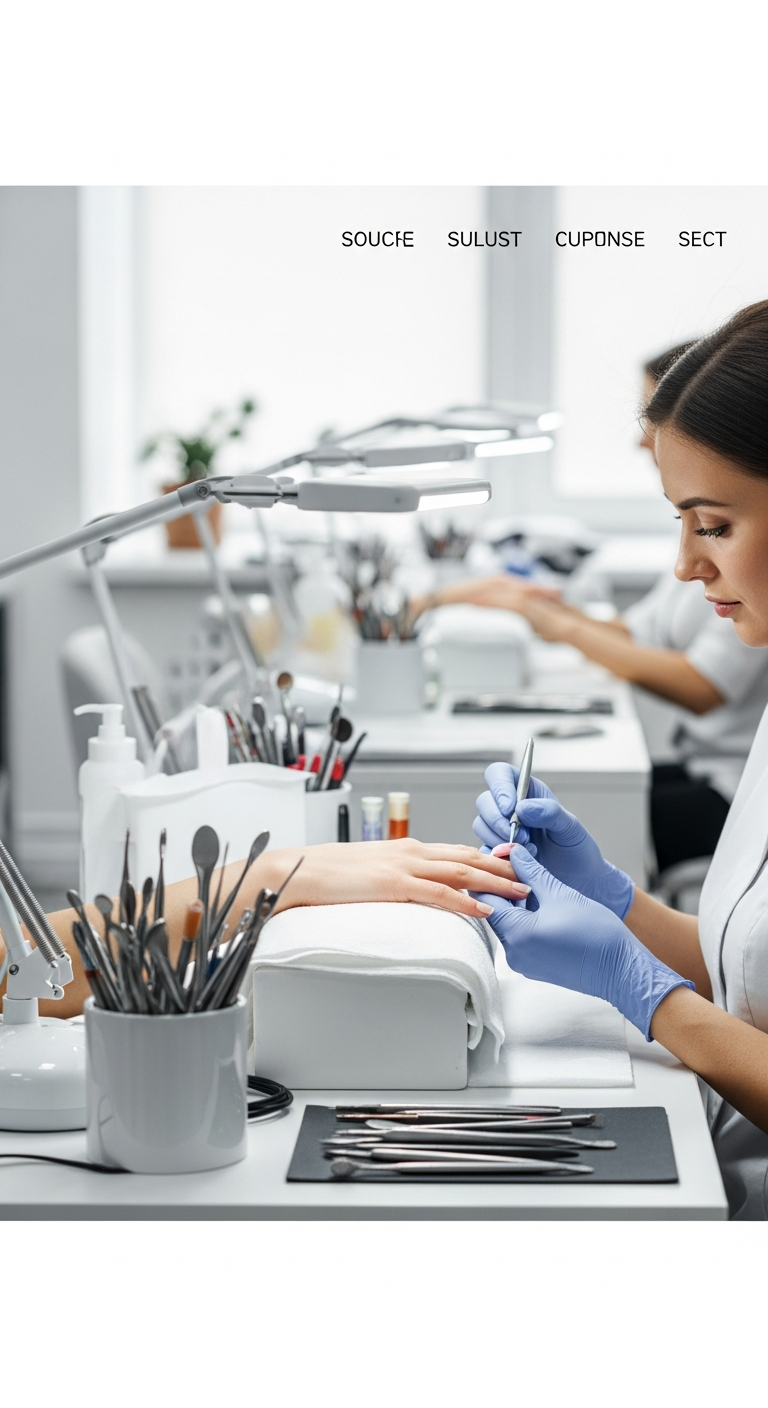
Standardizing the setup of the nail station ensures that all technicians have the necessary tools and chemicals within reach. This reduces movement waste and allows the technician to focus entirely on the precision of the service.
A uniform workflow for chemical application, such as acrylic bead ratios or gel curing times, prevents service failures. When every technician follows the same technical steps, the salon maintains a reliable reputation for quality.
Managing Staff Scheduling and Performance Control
Effective scheduling in the nail industry requires balancing technician availability with peak demand hours. Owners must track service durations to ensure the schedule allows for thorough sanitation between clients.
Performance control involves regular audits of technician work and adherence to salon protocols. Documenting these reviews helps identify areas where additional technical training or operational adjustments are necessary.
Clear communication regarding shift expectations and walk-in handling prevents confusion on the salon floor. Structured schedules reduce technician burnout and ensure the nail salon operates smoothly during high-volume periods.
Revenue Tracking and Supply Cost Management
Monitoring revenue in a nail salon requires detailed tracking of individual service sales and add-on treatments. Daily financial reconciliation helps owners identify which nail services are the most profitable for the business.
Cost management focuses heavily on controlling product waste, specifically with high-cost items like monomer and professional gel systems. Technicians should be trained to use precise measurements to protect the salon’s bottom line.
Inventory logs are essential for tracking the usage of nail files, buffers, and chemical solutions. Implementing a first-in, first-out system for professional products prevents expiration and reduces unnecessary overhead expenses.
Daily Closing Protocols for Nail Salons
The closing process must include rigorous sanitation logs for all implements and pedicure basins. This ensures the nail salon remains compliant with state board regulations and is ready for the next business day.
Financial closing procedures should involve a double-check of all transactions and tip distributions. Accurate record-keeping is vital for managing labor costs and ensuring the financial health of the nail business.
