Standardizing Nail Salon Operations for Quality Control
A nail salon standard operating procedure (SOP) is a structured workflow that ensures every technician delivers uniform service quality. These protocols define specific steps for nail preparation, application, and sanitation, allowing salon owners to maintain high professional standards, reduce product waste, and stabilize daily operational revenue across the entire staff.
The Importance of Standardized Nail Workflows
Consistent service delivery is the foundation of a successful nail salon business model. When every technician follows the same protocol, clients receive the same experience regardless of who performs the service.
Standardization reduces the risk of service failures and technical errors that lead to costly redo appointments. It also allows nail salon owners to accurately predict service times and optimize the daily appointment book.
Without clear operational guidelines, nail technicians often develop individual habits that may not align with salon quality standards. Documented workflows bridge this gap and establish a professional baseline for the entire team.
Establishing Uniform Preparation Protocols
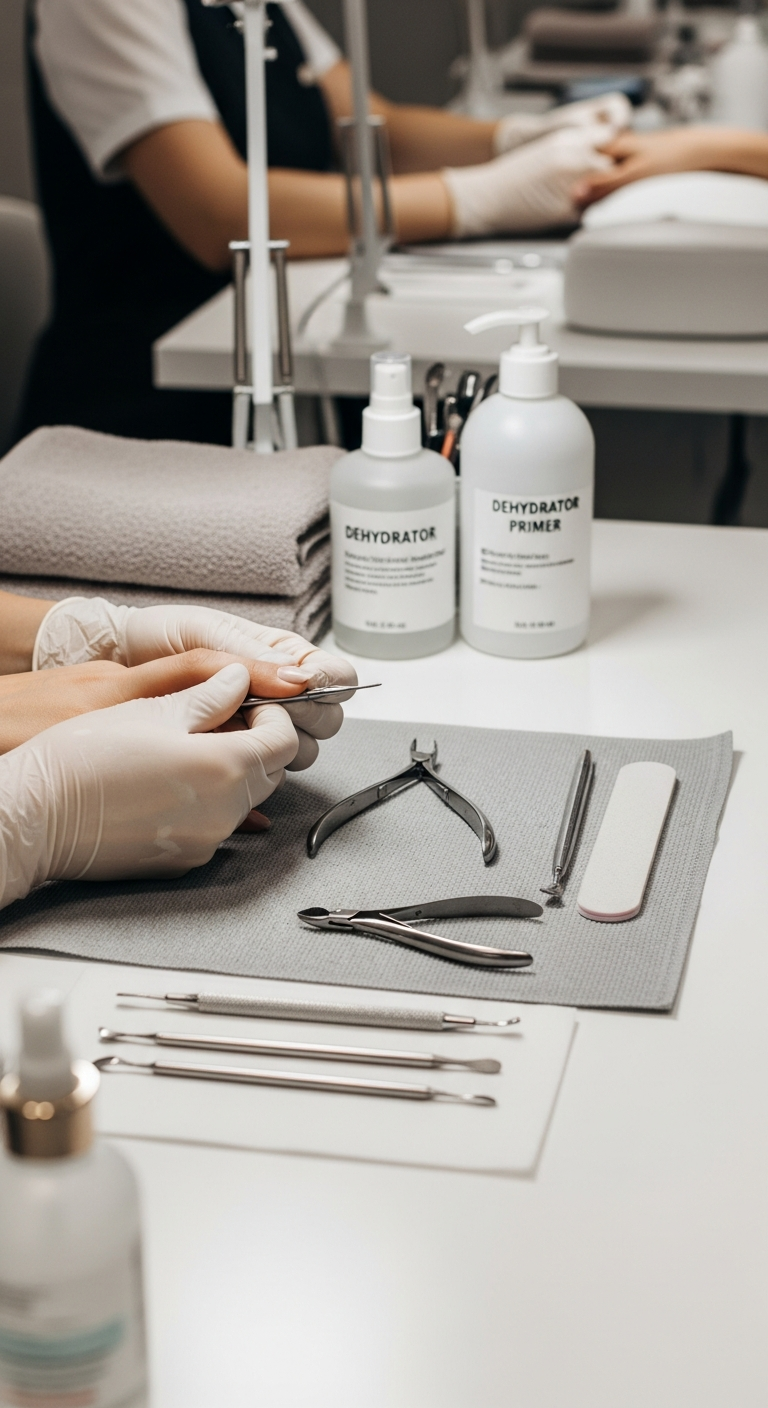
The nail preparation phase is critical for service longevity and must be performed identically by all staff members. This includes specific steps for cuticle work, surface dehydration, and primer application to prevent lifting.
By mandating a specific nail preparation sequence, owners can ensure that chemical products perform as intended. This consistency directly impacts the durability of the final set and reduces client complaints regarding premature chipping.
Defining Service Duration and Step-by-Step Execution
Each nail service should have a designated timeframe to ensure the salon schedule remains on track. SOPs break down complex services into timed segments, from the initial consultation to the final top coat application.
Setting time-based benchmarks helps nail technicians manage their pace without sacrificing the quality of the work. It also provides a clear framework for training new hires to meet the salon’s operational speed requirements.
Staff Management and Performance Tracking
Operational standards provide an objective way to evaluate nail technician performance during regular reviews. Owners can compare individual service times and product usage against the established salon benchmarks.
This data-driven approach to management identifies which staff members require additional technical training. It also highlights high-performing technicians who consistently meet or exceed the salon’s operational goals.
Monitoring Technician Adherence to Standards
Regular floor monitoring ensures that technicians do not skip essential steps during busy shifts. Maintaining these standards is vital for upholding the reputation of the nail salon within the local market.
Owners should conduct periodic spot checks on nail tool sanitation and station organization. Consistent enforcement of these internal rules maintains a professional environment and ensures compliance with state regulatory requirements.
Cost Control and Supply Management in Nail Services
Standardized procedures allow for precise tracking of professional nail products and backbar inventory. When every technician uses a set amount of product per service, waste is significantly reduced.
Controlling product usage is essential for maintaining profit margins in a competitive nail industry. SOPs should include specific instructions for dispensing liquids, powders, and gels to prevent over-consumption.
By linking product usage to the number of services performed, nail salon managers can better forecast inventory needs. This systematic approach prevents stock shortages and ensures the salon always has the necessary supplies for daily operations.
