Nail Salon Startup: First-Year Survival and Strategy
A nail salon startup survives its first year by maintaining a lean debt-to-income ratio and prioritizing cash flow over aesthetic upgrades. Successful survival involves reaching the break-even point through strict cost control of professional nail supplies, consistent technician retention, and meeting local U.S. licensing and safety regulations.
Essential Initial Costs for a Nail Salon
Opening a new nail business requires a clear understanding of upfront capital versus monthly operational expenses. Most owners underestimate the cost of high-quality ventilation systems and ergonomic nail stations.
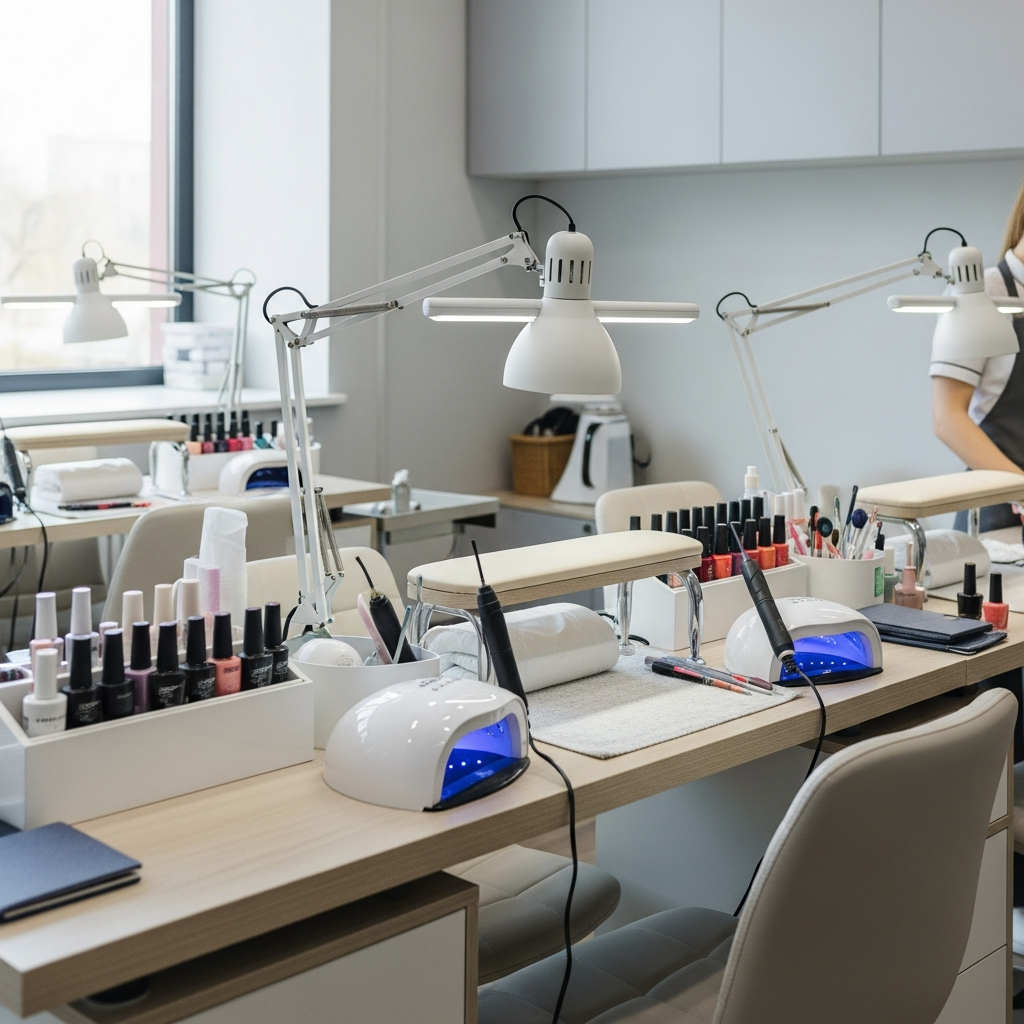
Prioritizing professional-grade furniture ensures long-term durability, reducing the need for replacements during the critical first twelve months. Budgeting for high-quality nail lamps and drills is more cost-effective than buying entry-level equipment.
Professional Inventory and Supplies
- Core monomer, polymer, and gel nail systems
- Sanitization and sterilization chemicals
- Disposable files, buffers, and towels
- Initial retail stock for client aftercare
Navigating U.S. Legal and Licensing Requirements
Compliance with the State Board of Cosmetology is the most critical hurdle for a new nail salon. Each state has specific square footage and plumbing requirements for nail service areas.
Failure to display the correct establishment license or individual nail technician licenses can lead to heavy fines. Regular self-audits of your sanitation logs help maintain professional standards and pass inspections.
Building an Operational Safety Foundation
Standard operating procedures must include strict protocols for cleaning nail implements between clients. Every nail technician must follow OSHA guidelines regarding chemical storage and SDS documentation.
Reaching the Break-Even Point
The break-even point in a nail salon occurs when service revenue covers all rent, labor, and product costs. Managing backbar waste is the fastest way to improve your profit margins during the first year.
Track the amount of nail liquid and gel used per service to identify where product is being wasted. Small adjustments in application technique can significantly lower your cost-per-service over several months.
Minimizing Waste in Nail Services
- Controlled dispensing of nail primers and dehydrators
- Proper storage of gels to prevent premature curing
- Inventory audits to prevent over-ordering supplies
Common First-Year Mistakes to Avoid
Many new nail salon owners overspend on luxury decor before establishing a steady client base. Focusing on the quality of the nail service itself is more important for building recurring revenue.
Avoid hiring too many nail technicians before the walk-in traffic justifies the labor cost. Start with a core team of reliable professionals who prioritize nail health and technical precision.
Ignoring client feedback regarding wait times or nail durability can damage a new salon’s reputation quickly. Focus on consistent service quality to ensure first-year survival and long-term growth.
