How to Open a Nail Salon: A First-Year Survival Guide
Opening a nail salon requires obtaining a state-issued establishment license, securing a commercial space with proper ventilation, and managing initial startup costs. Success in the first year depends on strict inventory control, maintaining sanitary standards, and reaching a break-even point through consistent technician productivity and client retention.
Initial Startup Costs for a Professional Nail Salon
Opening a nail salon involves significant upfront investment in professional workstations and high-grade ventilation. Budgeting for your first six months of operation is essential to survive the initial growth period.
Lease and Ventilation Requirements
In the United States, nail salons must adhere to strict mechanical ventilation codes to manage chemical vapors. Selecting a commercial space that supports these systems is a primary cost factor for new owners.
Equipment and Professional Nail Supplies
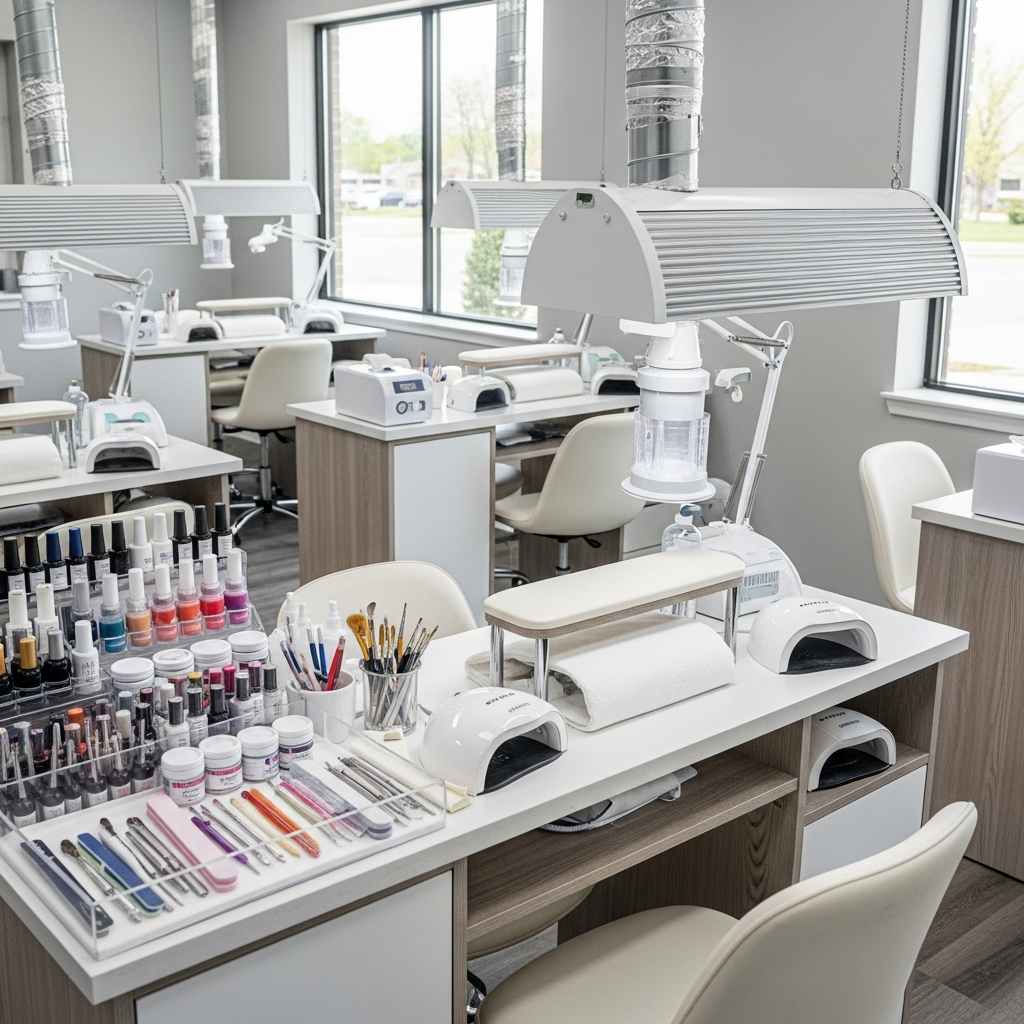
A professional setup requires ergonomic manicure tables, pedicure thrones with proper plumbing, and LED curing lamps. You must also stock a full range of gels, acrylics, and lacquers to meet client demand.
Managing Financial Break-Even in Year One
The first year is the most critical period for any new nail business. Most failures occur due to undercapitalization and poor management of consumable product waste during daily services.
Controlling Overhead and Labor Costs
Monitor your use of nail monomer, polymers, and files to prevent unnecessary waste. Ensure your technician scheduling aligns with peak appointment times to maximize service revenue without overpaying for idle labor.
Setting Sustainable Service Pricing
Your nail service prices must cover the cost of professional products, rent, and technician commissions. Low-balling prices to attract customers often leads to a deficit that is difficult to recover from later.
Essential Legal and Sanitary Compliance
Staying compliant with State Board regulations is non-negotiable for salon survival. Failing an inspection can lead to heavy fines or the immediate closure of your nail business.
State Board Inspections and Safety Standards
Every nail technician must work at a station that meets sanitation requirements, including proper disinfection of multi-use tools. Maintain a clean environment to ensure your salon passes surprise inspections without issues.
Insurance and Liability Basics
Secure professional liability insurance specifically designed for the nail industry. This protects your business from claims related to accidental nicks or infections that can occur during routine nail services.
Common Beginner Mistakes to Avoid
Many new owners focus on decor instead of functional workflow and technician training. A beautiful nail salon will not survive if the technical execution and sanitation protocols are lacking.
- Underestimating the cost of back-bar supplies and disposables.
- Failing to verify the active licenses of hired nail technicians.
- Neglecting the maintenance of pedicure plumbing and filters.
- Ignoring local zoning permits required for nail chemical storage.
Focus on building a solid foundation of professional technique and clean operations. By controlling your costs and maintaining high standards, your nail salon can achieve long-term stability.
