Mastering Professional Nail Prep for Maximum Retention
Professional nail preparation is the systematic process of removing non-living tissue and dehydrating the natural plate to ensure optimal product adhesion. This critical phase prevents lifting, protects the natural nail from bacterial growth, and creates a clean surface for gel, acrylic, or dip applications, directly impacting the longevity of the enhancement.
The Foundation of Durable Nail Enhancements
Longevity in any enhancement begins with the removal of the true cuticle. This non-living tissue attached to the nail plate is the primary cause of product lifting if not meticulously cleared.
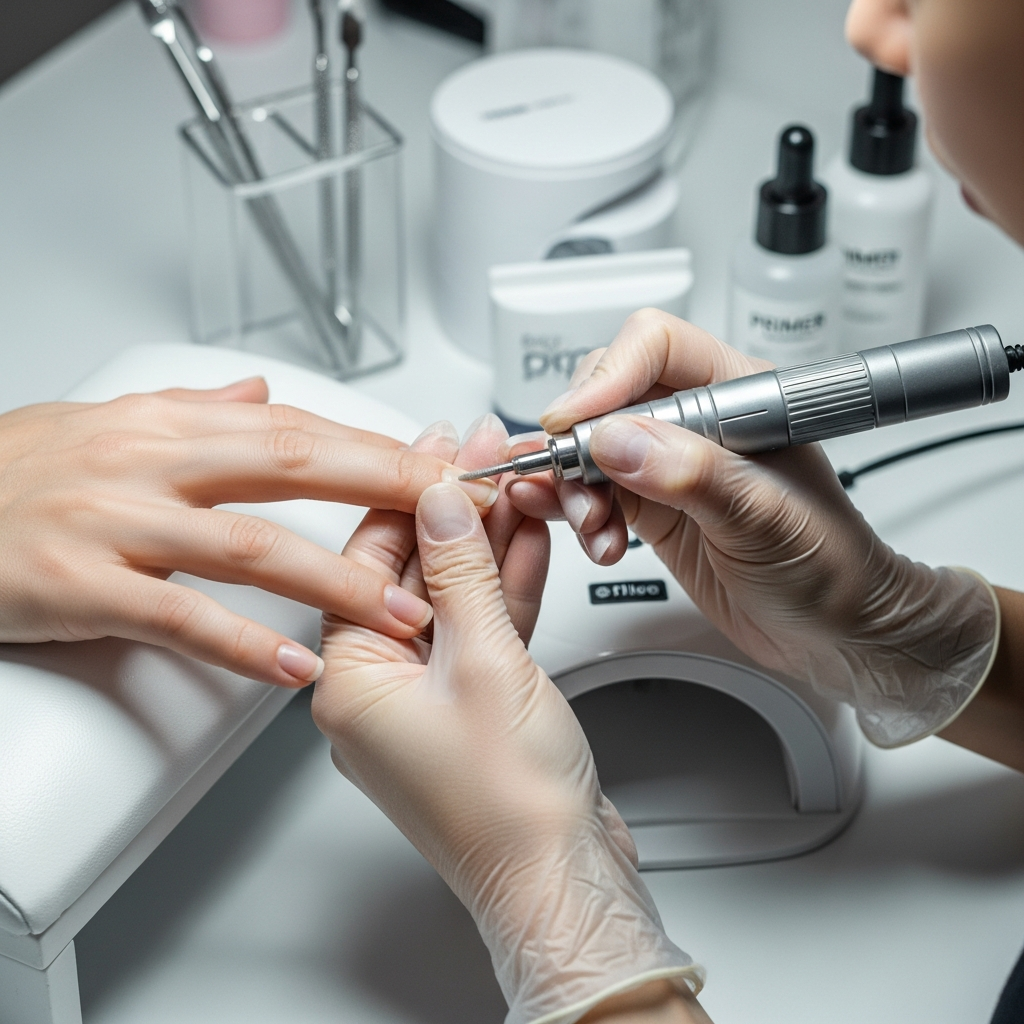
Using a high-quality pusher and a professional e-file bit, technicians must gently exfoliate the plate. This creates a pristine surface for the primer and base layers to bond securely to the keratin.
Effective dehydration is the next vital step in the process. Removing surface oils and moisture ensures that the chemical bond between the natural nail and the product is not compromised by contaminants.
Mechanical vs. Chemical Nail Preparation
Mechanical preparation involves gently etching the nail surface to remove shine. This increases the surface area for the product to grip, though it must be done carefully to avoid thinning the plate.
Chemical preparation utilizes dehydrators and primers to alter the pH or create a tacky layer. Acid-based primers provide a deep etch, while acid-free primers act like double-sided tape for the product.
Perfecting the Apex and Nail Structure
Structural integrity is essential for preventing cracks and breaks in the enhancement. The apex, or the highest point of the nail, must be strategically placed over the stress area for support.
Correct placement of the apex allows the nail to withstand daily pressure without snapping. As the enhancement grows out, the technician must rebalance this structure during maintenance appointments.
A thin application at the free edge and the cuticle area is equally important. Bulky edges lead to snagging and leverage-induced lifting, which can damage the underlying natural nail plate.
Common Errors Leading to Nail Lifting
- Incomplete Cuticle Removal: Small particles of skin trapped under the gel or acrylic will inevitably cause a pocket of air.
- Over-filing: Thinning the nail plate reduces the available surface area for bonding and leads to painful sensitivity for the client.
- Touching the Skin: Product contact with the lateral folds or eponychium causes immediate lifting as the skin moves independently of the plate.
- Improper Curing: Using a lamp with insufficient output prevents the nail product from polymerizing fully, leaving a soft, unstable foundation.
Ensuring Client Safety During Technical Execution
Professional technicians prioritize the health of the natural nail above aesthetic results. Maintaining tool angles and controlling e-file RPMs prevents heat spikes and friction burns during the prep phase.
Sanitation of all multi-use implements is a non-negotiable standard in the U.S. industry. Every bit and pusher must be cleaned and disinfected between clients to prevent the spread of pathogens.
By mastering these technical skills, a technician ensures that every nail service is both beautiful and structurally sound. Consistency in preparation directly correlates to client satisfaction and retention.
